

Some 270 County Judges and Commissioners convened in Wichita County April 21-24 to study the latest issues affecting grassroots government. The West Texas Conference Early Bird Session on Tax Abatements drew a standing-room-only crowd as a panel of speakers addressed negotiating abatement agreements, with one session centered on data centers.
Commissioners Courts cannot prohibit the sale or lease of private property for projects such as data centers. With that said, negotiating a tax abatement agreement with limitations and conditions to protect local citizens and resources is an option some counties are using.
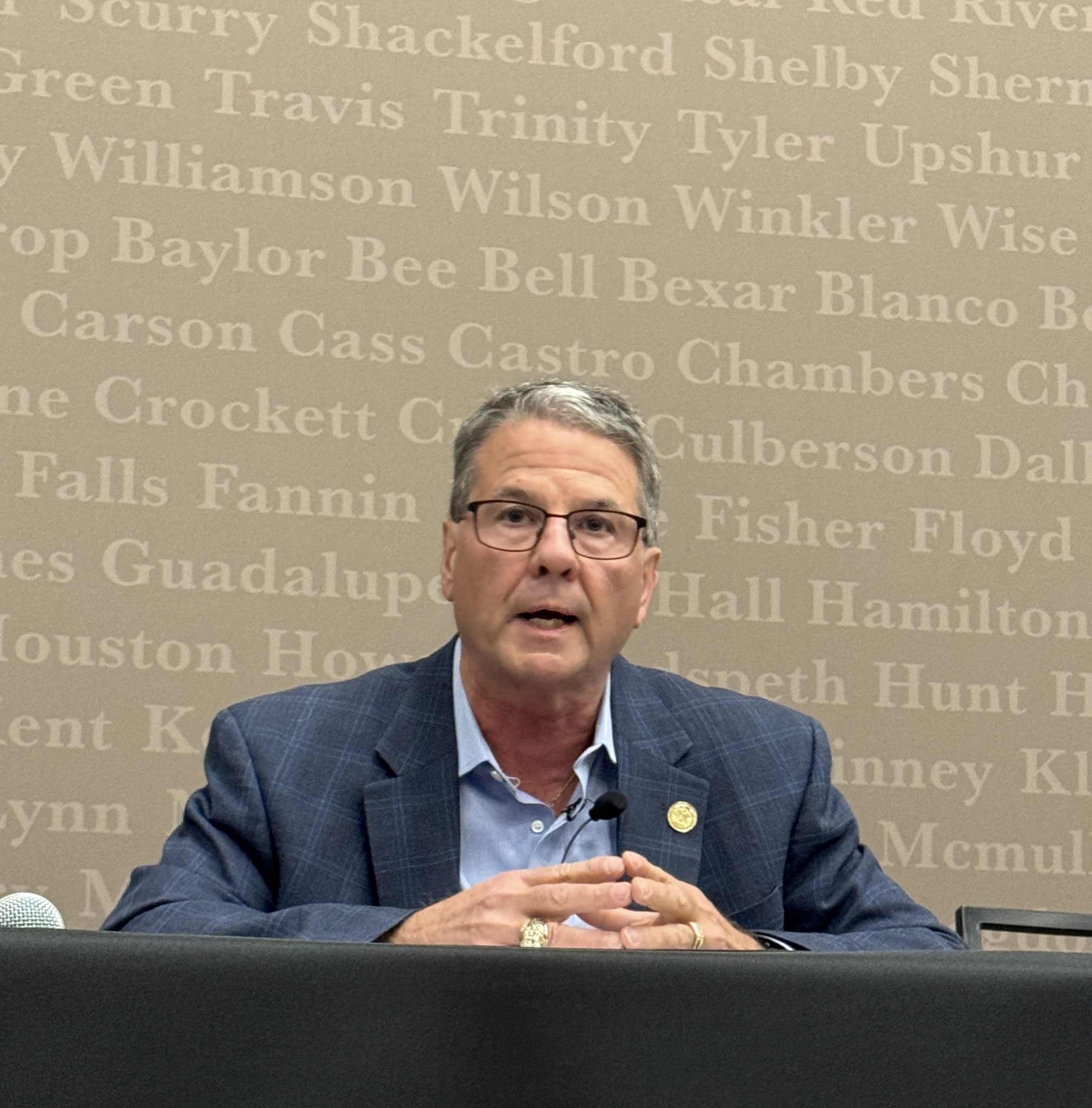
While data centers can serve as valuable economic drivers for rural areas, certain questions should be asked when considering a tax abatement, said Texas State Sen. Charles Perry.
- Who is your customer?
- Do you have generators on-site?
- What will your water usage be?
Three County Judges who have entered into abatements with data centers shared their individual perspectives.

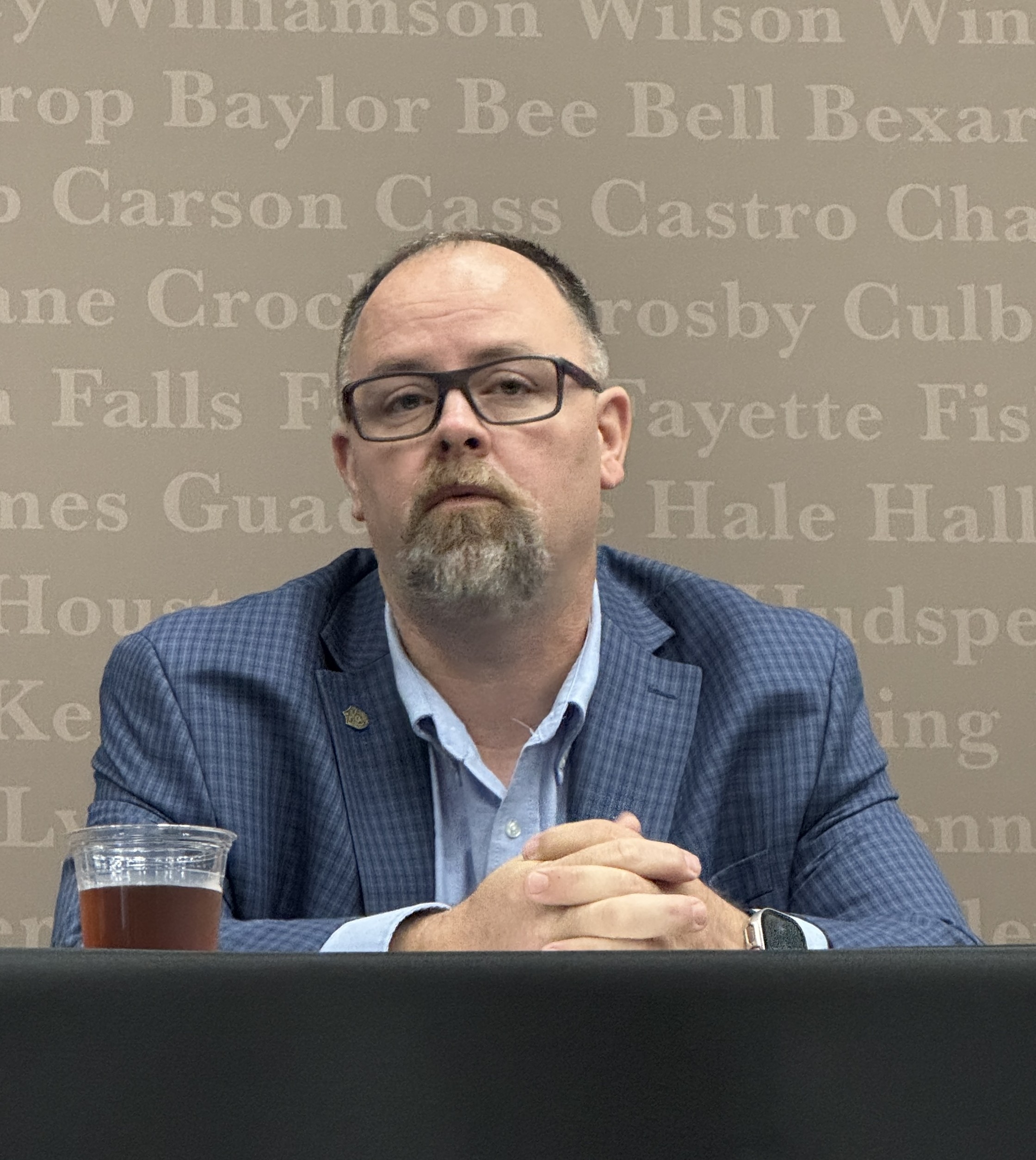
Armstrong County Judge Adam Ensey understands the challenges that come with large-scale projects. Some 5,000 workers have converged on Armstrong County, population 1,800, to construct a data center. Ensey worked diligently early on to correct misinformation regarding county authority and explain potential benefits to the county.
“We cannot stop them from coming,” Ensey underscored. “But we can safeguard our counties through an abatement.”
Armstrong County’s abatement with the data center includes provisions for a payment in lieu of taxes (PILOT), which is paid to the general fund of the county and is not included in calculating the property tax revenue cap. PILOTs have become standard provisions in tax abatement agreements, especially for projects that produce few new jobs.
“This is an economic benefit that is available immediately,” Ensey explained. “As County Judge, I feel it is my responsibility to use the tax policy available to me to protect and benefit my county.”
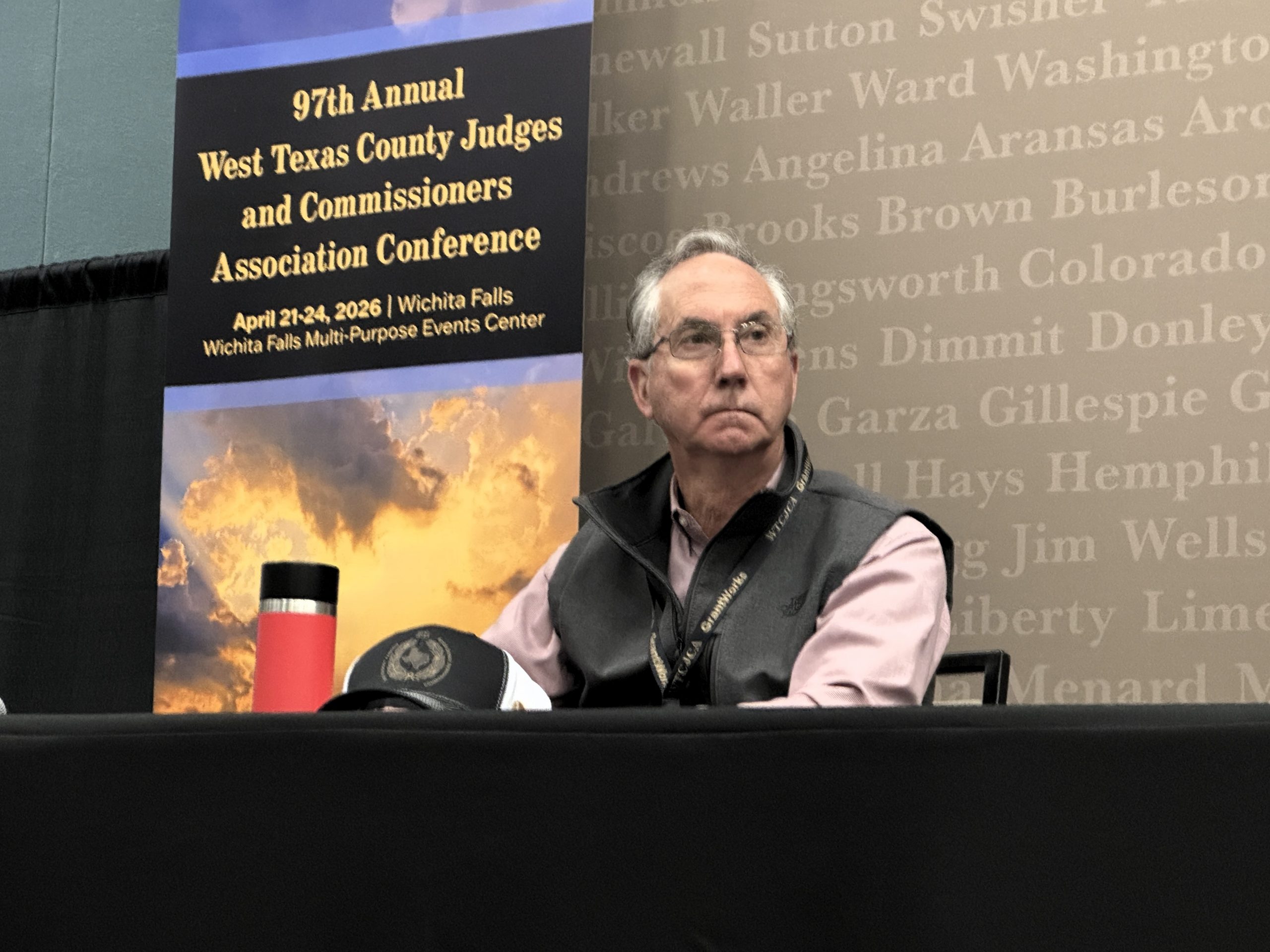
Carson County also negotiated a PILOT in its agreement.
“We’ve been through these agreements before with wind farms,” noted Carson County Judge Dan Looten. “We learn every time, and each abatement is better than the last.”
Looten and Ensey toured five large data centers to “see them, understand them, and help explain them to our communities,” Ensey said.
Abatements may include specific requests such as road use agreements, security personnel, and provisions for cleanup should the center close.
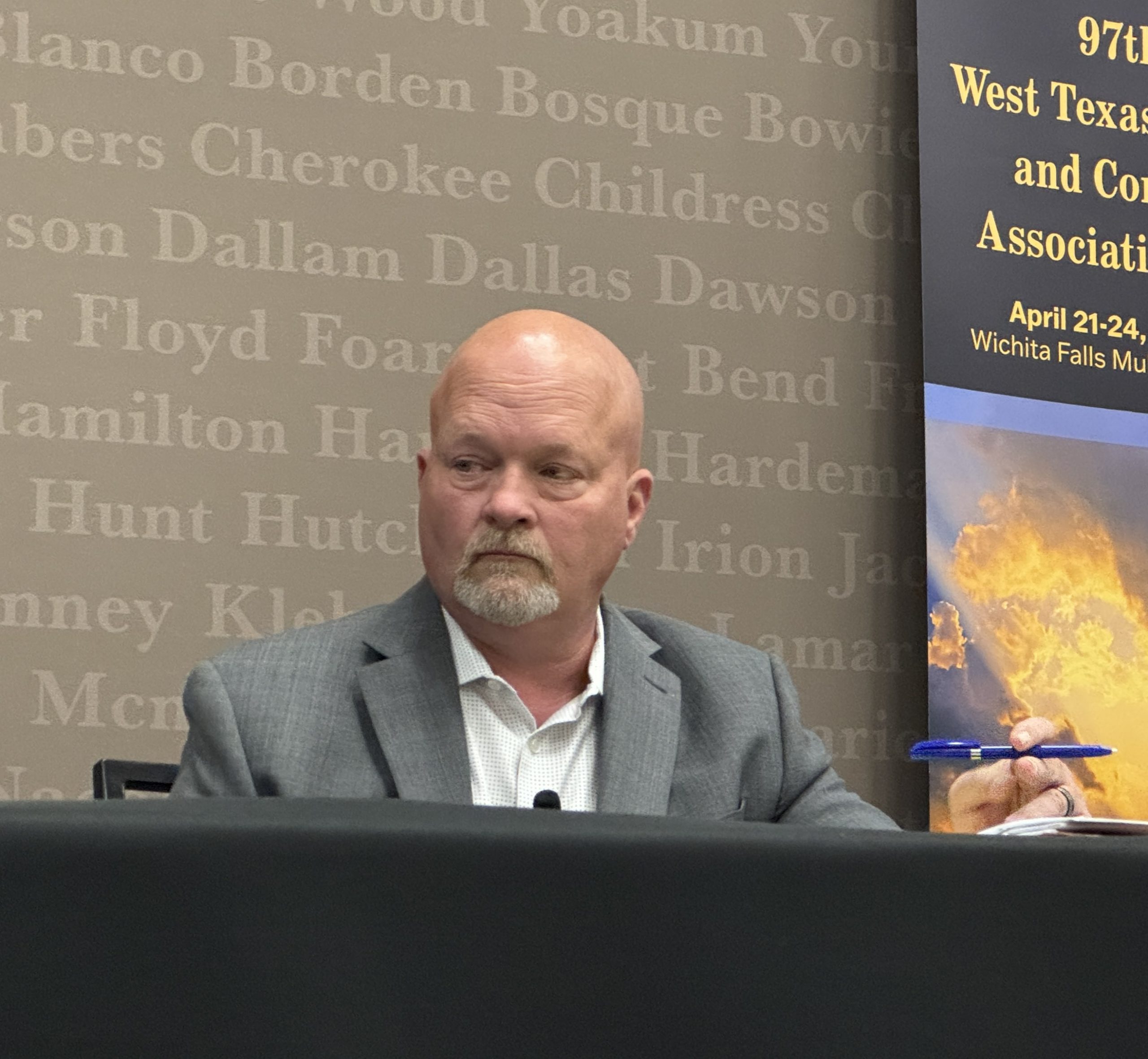
Oldham County Judge Shawn Ballew’s latest abatement includes a road use agreement and promised contributions to non-profits within the county.
“Negotiate an abatement specific to your county’s needs,” Ballew advised. Abatements can help eliminate potential problems on the front end of the process.

In Oldham County’s case, the purchaser noted that the project could be done without an abatement.
“However, they told us they would like to work with us on an abatement so they could be part of our community,” Ballew shared. With that said, officials need to be willing to walk away if the terms are not beneficial to the county.
All three County Judges advised researching abatements from other counties to glean ideas and help tailor-make the most productive agreement possible to fit the county’s specific needs.
The Closing General Session of the four-day conference also included guidance on data centers.
“It is important to get in front of proposed projects,” emphasized CJCAT Senior General Counsel Jim Allison. “Counties have very little land use authority, so the only thing we can do is negotiate with them on a tax abatement. If we deny an abatement, we will not be at the table with them to discuss issues that concern us.”
CJCAT Program Director Rick Thompson gave an overview of county-related interim studies, which mention data centers multiple times, before introducing two lawmakers who shared their eagerness to hear from their local counterparts ahead of the next legislative session.
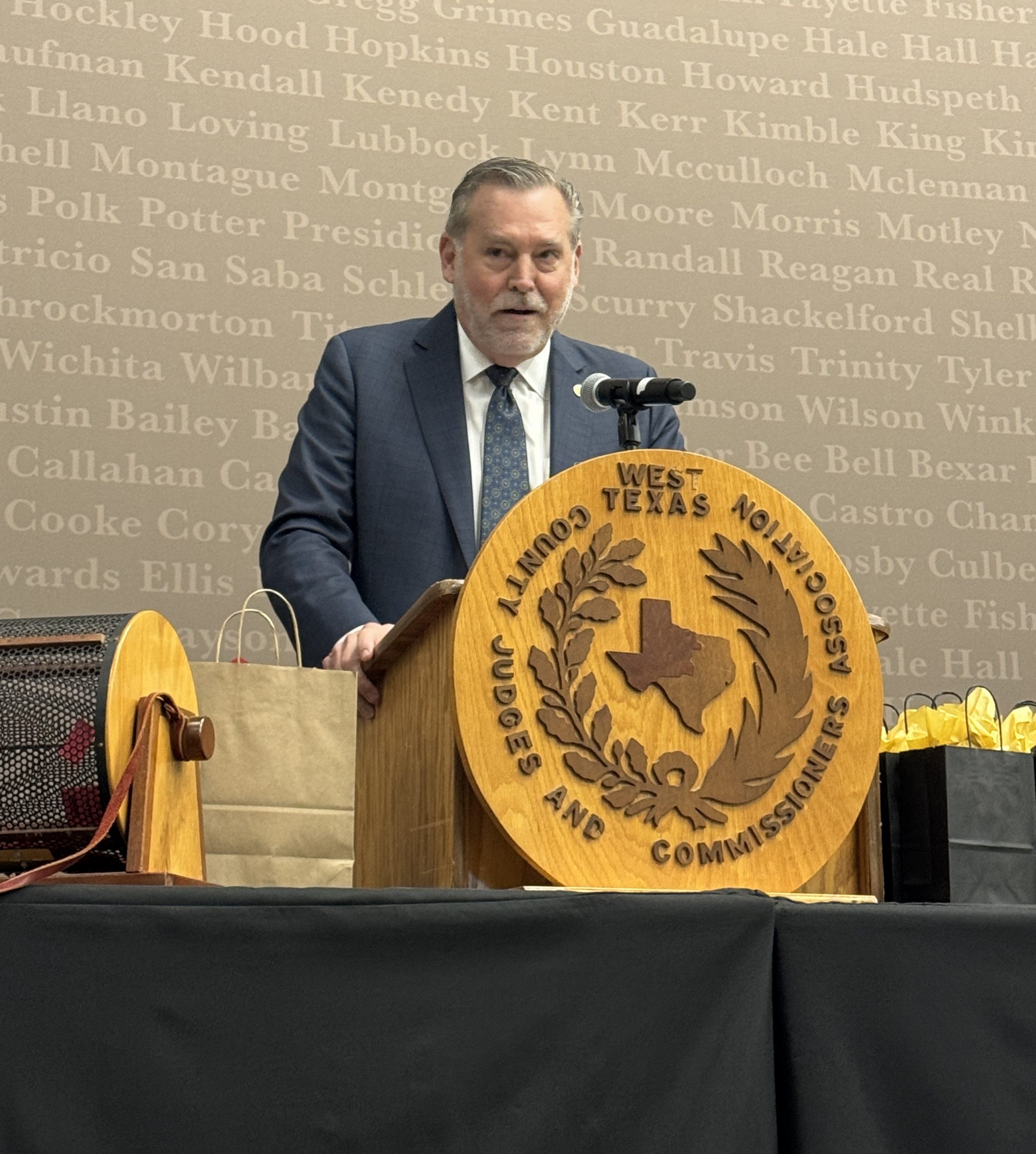
“We are here to do anything we can to help you out,” said Rep. David Spiller. “We want to hear from you.”
More and more, counties are being called upon to be the gatekeepers in their communities, Spiller observed. Along those lines, municipal utility districts and special utility districts have been a particular challenge to counties.
Spiller plans to address the concern in the next legislative session.
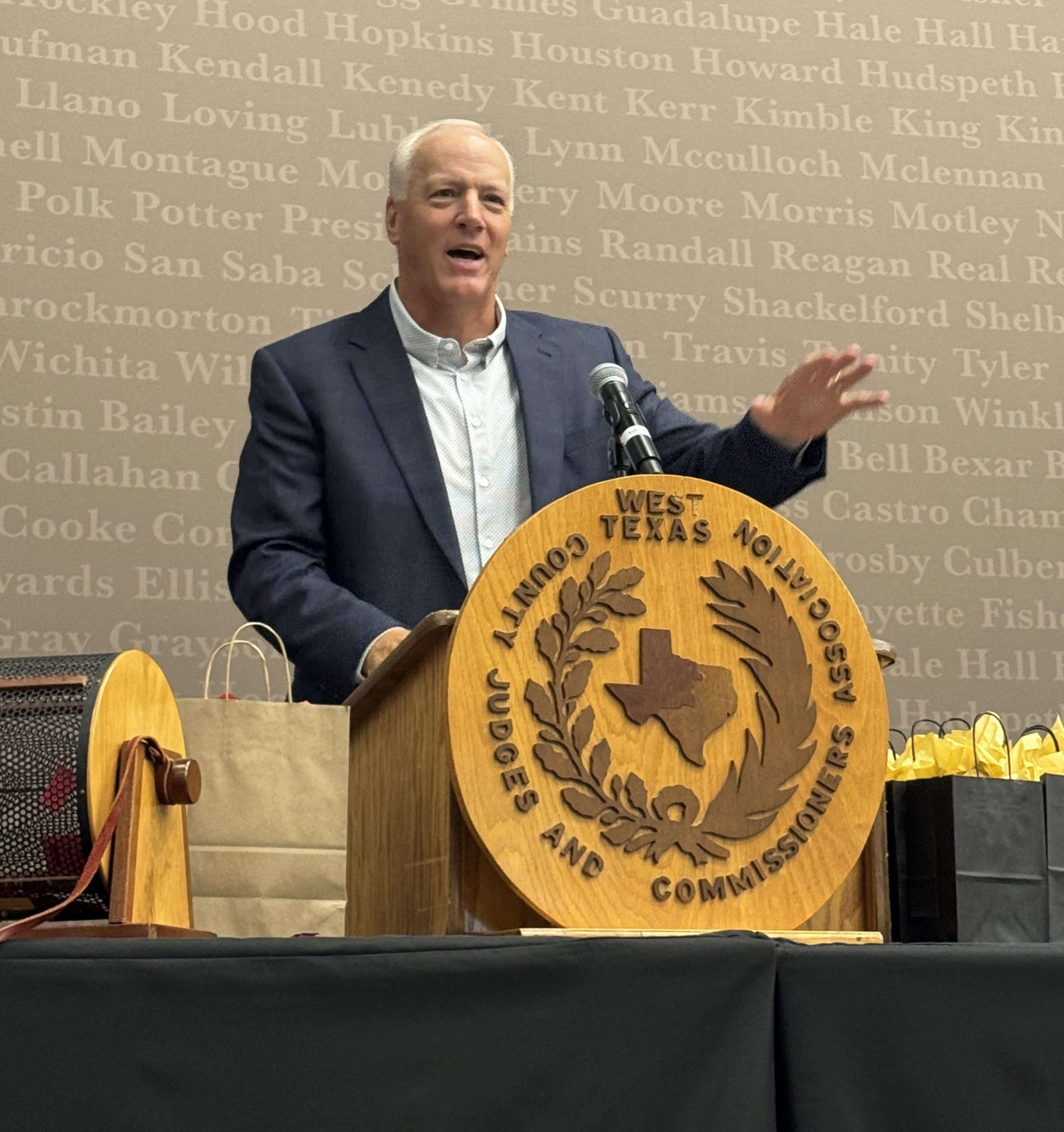
“This session, we are going to be looking at some of the powers that counties have,” Rep. James Frank observed. “You all know so much more about county finance and county powers than we ever will,” he continued. “It is important that you educate us. We as a state need to be careful that we do what we can to help you do your job efficiently because you are the closest to the people.”