“With significant percentages of inmates requiring mental health services, detox protocols, or chronic disease management, expanding our infirmary from 24 cells to 125 beds, with additional future capacity, ensures we can provide appropriate, specialized care in a facility designed for modern public health standards. It’s a strategic investment that strengthens both our justice system and our community.” Collin County Commissioner Susan Fletcher
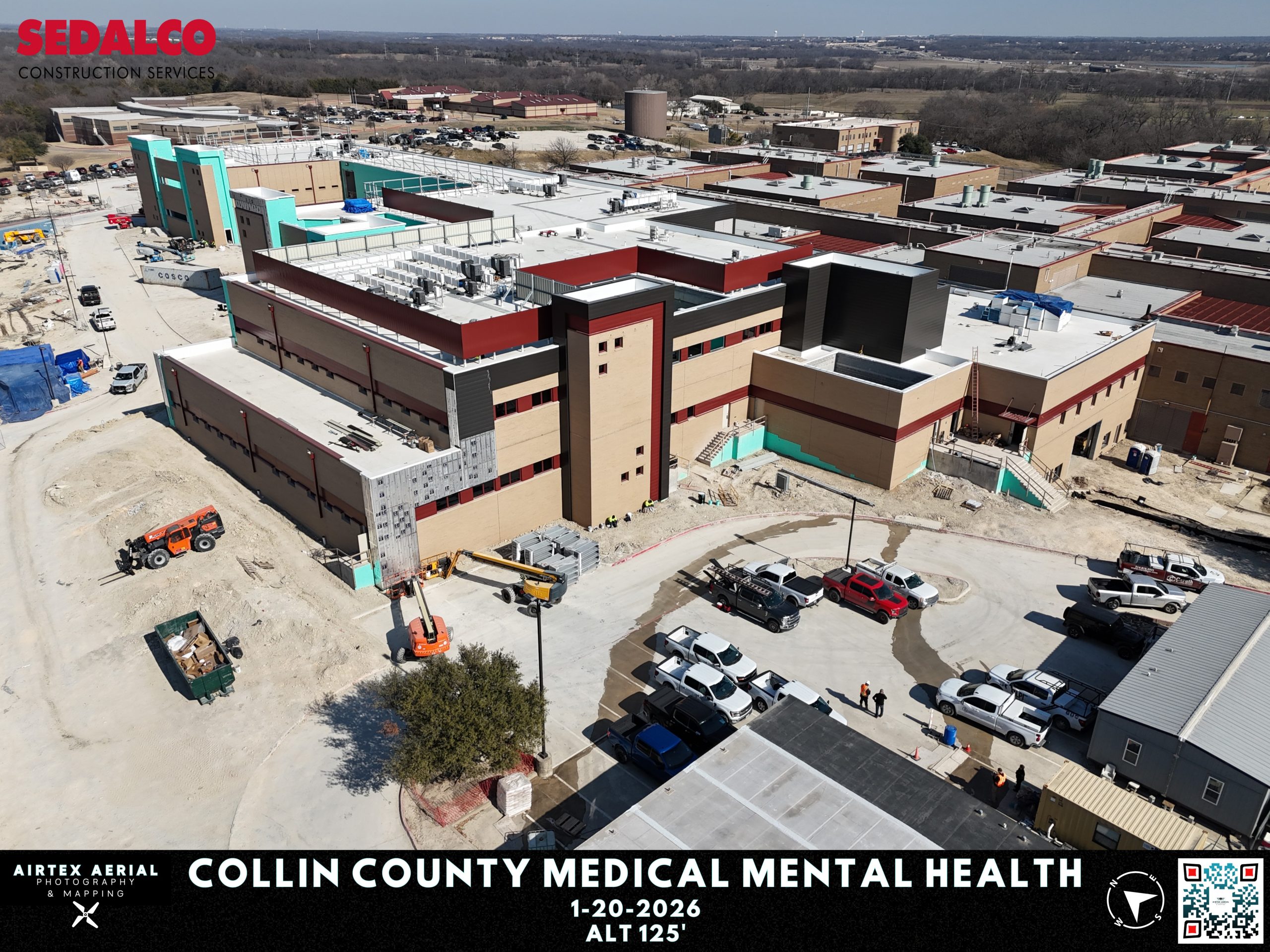
Collin County is building a dedicated facility designed to properly care for inmates with behavioral health, substance abuse, and chronic medical conditions in a purpose-built environment, shared Collin County Commissioner Susan Fletcher.
The Collin County Medical & Mental Health Facility, a two-story expansion of the current detention facility in McKinney, is expected to open later this year.
“With 30 percent of our inmate population experiencing a mental health disorder, 25 percent prescribed psychiatric medication, and more than half requiring detox protocols at booking, the need for expanded medical and mental health capacity is clear,” Fletcher emphasized. “This project ensures we can meet those needs responsibly and effectively.”

The expansion, paid for with American Rescue Plan Act (ARPA) funds, will cost approximately $112 million and will include a new 181,233 square-foot main structure and a 17,865 square-foot remodel of the existing infirmary. The first housing pod, the new infirmary clinic, and health provider offices are expected to open later this year, with plans to open additional housing in the coming years.
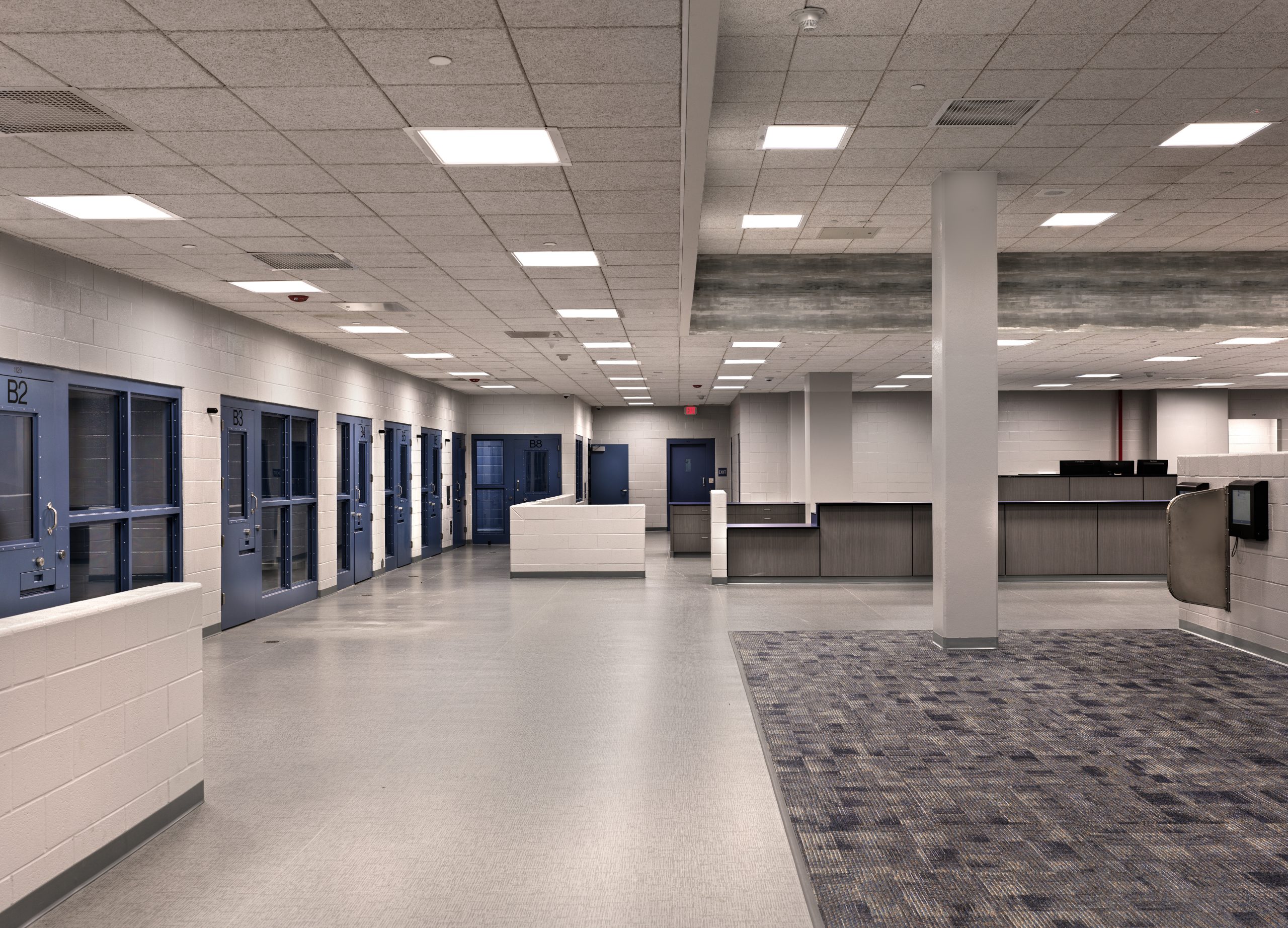
The current Collin County Adult Detention Facility infirmary contains 24 medical cells. Since the 2020 pandemic, these medical cells have been used almost exclusively for mental health purposes, leaving a significant number of inmates with the same needs in specialized and general housing areas, Fletcher stated.
The new facility will include 125 beds and pre-designed shell space for an additional 136 beds. Collin County partnered with Brinkley Sargent Wiginton Architects and SEDALCO Construction on the project.
“The specialized housing areas will address the growth in substance abuse and behavioral health issues resulting from the public health crisis, as well as other COVID-19 long-term medical and mental health side effects.” Fletcher detailed. “The increase in mental health stress and breakdowns resulting from both the pandemic and its restrictions is impacting our most high risk and underserved communities. Those incarcerated, even for a short time, in a detention setting are typically among the highest risk and most medically underserved.”
The project will not only help Collin County, but will allow for partnering with other counties who have to pay much higher rates directly to hospitals to handle the same detainee, observed Collin County Commissioner Darrell Hale.
“We will be able to recoup our investment and help fellow counties at the same time,” Hale continued. “In addition, if our current jail hits a capacity issue, a bed is a bed. We can utilize these beds for general population, too, minding the mix and the separations per state law, of course. This was definitely a great investment in our county’s future with our ARPA funds.”
This investment benefits the entire community, Fletcher echoed.
“By providing appropriate care within the detention facility, we improve outcomes, enhance safety for staff and inmates, and reduce strain on external health systems,” she said. “It’s a proactive approach to addressing behavioral health challenges in our county.”
Interior photo courtesy of Brinkley Sargent Wiginton Architects